Table of Contents
- The $12,000 Loss That Almost Happened
- The Solution That Changed Everything
- Cost Comparison: Machine vs Manual
- How You Can Avoid the Same Loss
- Specific Ways This Machine Saves You Money
- The Attachments That Pay For Themselves First
- Real Numbers From My First Year
- Common Mistakes That Waste Money
- How to Get Your First Job
I lost a $12,000 job bid. The client chose another contractor. His equipment was smaller than mine. He fit through a 36-inch gate. I could not. Hand digging everything would take me 10 days, but the other contractor finished in 2 days with a mini skid steer.
I learned a hard lesson: size matters more than power on residential jobs. I bought a mini skid steer the next month. That single decision saved me $12,000 on my next project.
This is my true story. You will learn exactly how a mini skid steer prevents loss. You will see the math. You will know which attachments save you money first.
I run a small landscaping company in Phoenix. We focus on hardscaping and drainage. In March 2024, we accepted a backyard transformation project. The scope included removing 8 tons of old concrete patio, excavating 12 inches of clay soil for new drainage, trenching 150 feet for electrical conduit, hauling in 6 tons of crushed gravel, and leveling the entire yard for artificial turf.
The client had a 40-inch wide gate. My Bobcat S70 is 44 inches wide. It did not fit. I calculated the manual labor cost.
| Task | Manual Hours | Labor Cost ($60/hr/person) |
|---|---|---|
| Break concrete by hand | 16 hours | $960 |
| Haul concrete to truck | 24 hours | $1,440 |
| Excavate clay soil | 30 hours | $1,800 |
| Hand trenching | 12 hours | $720 |
| Haul gravel | 20 hours | $1,200 |
| Total Manual Labor | 102 hours | $6,120 (per person) |
I needed two people for most tasks, doubling that labor cost to $12,240. The manual approach would cost $12,240 plus a 3-week timeline. The client wanted the job done in 5 days. I almost turned down the project. Then I rented a mini skid steer.
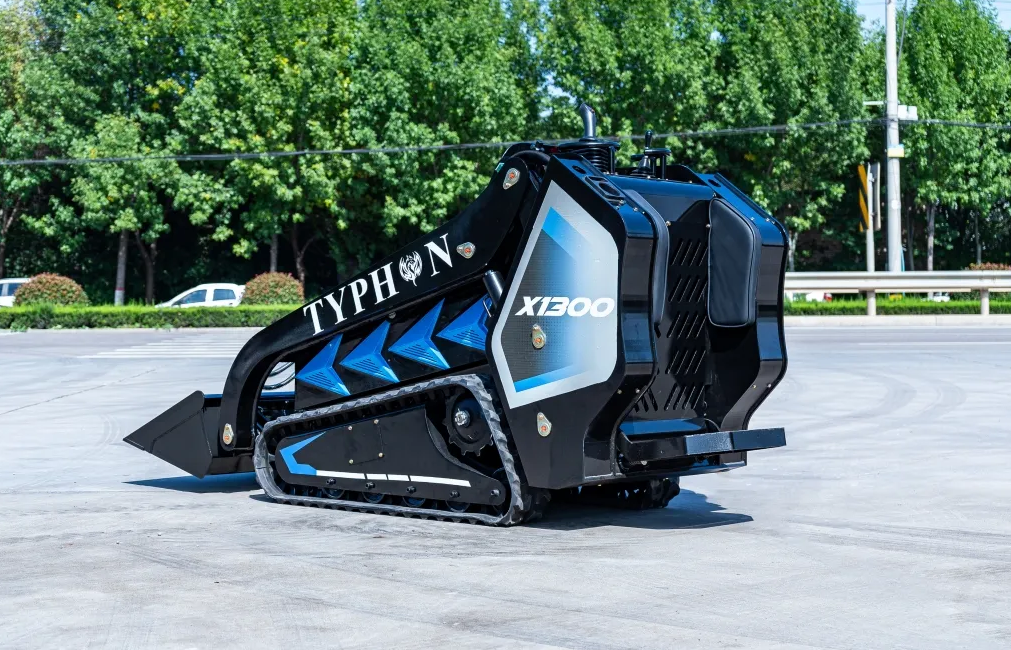
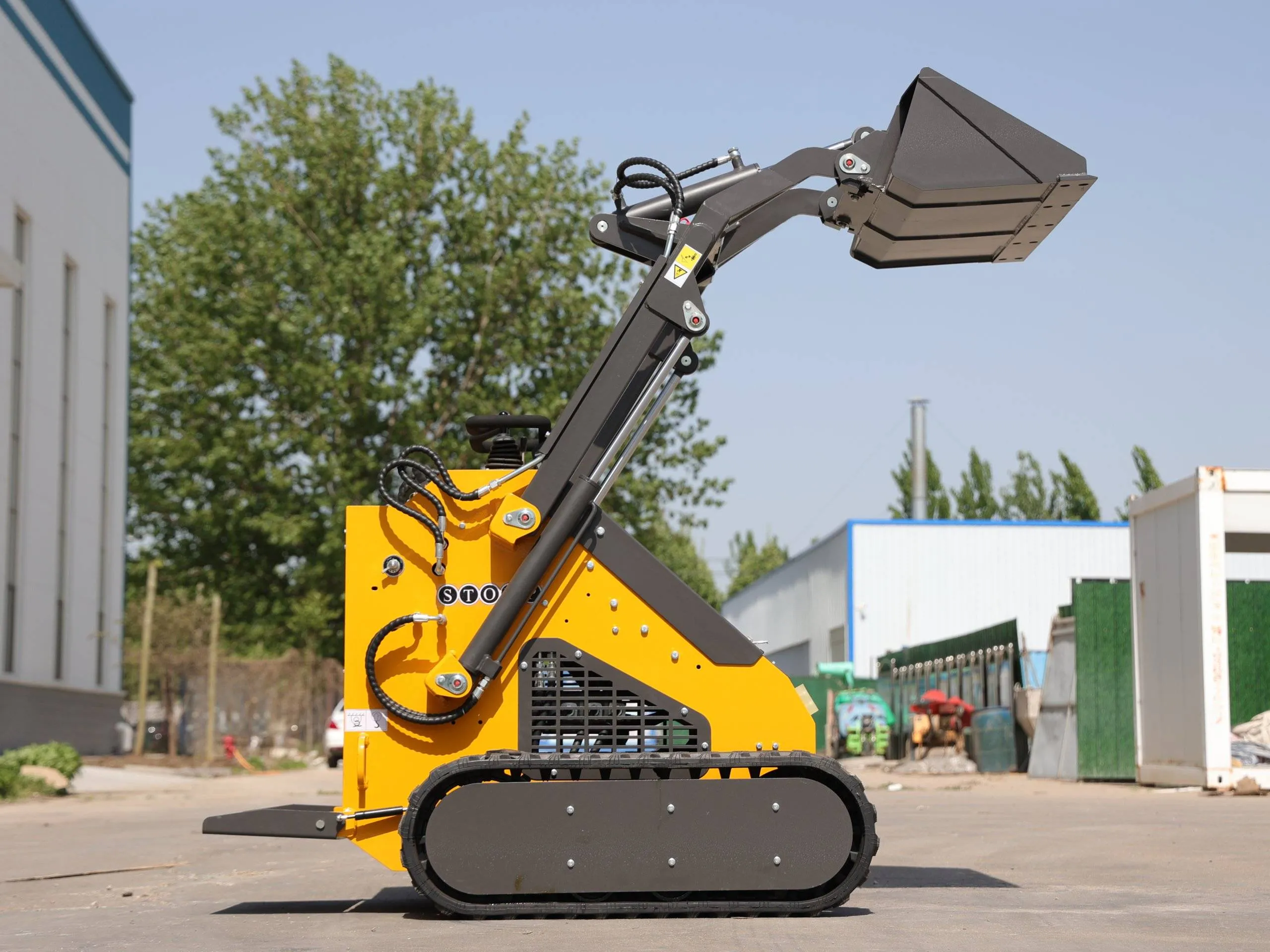
I rented a Typhoon STOMP X1300 for one week. Rental cost was $1,200. The machine is 35 inches wide. It fit through the gate with space to spare. The machine changed everything. Here is what we accomplished in 5 days:
- Day 1: Broke and removed all concrete in 6 hours. Same task manually would take 2 days.
- Day 2: Excavated clay soil for drainage. Dug 150 feet of trench at 18-inch depth. Manual trenching takes 3 days.
- Day 3: Loaded and hauled out all excavated soil. Moved 12 cubic yards of material.
- Day 4: Brought in gravel and spread it. Leveled the entire yard.
- Day 5: Final grading and cleanup.
Total machine hours: 32 hours. Total labor hours with machine: 48 hours (one operator plus one helper). Total labor cost: $2,880 at $60 per hour.
Here is the real math when evaluating the job costs.
Manual Approach
- Labor hours: 102 hours
- Labor cost: $12,240
- Timeline: 15 working days
Mini Skid Steer Approach
Rental Cost
$1,200
Labor Cost
$2,880 (48 hours)
Total Cost
$4,080
Timeline
5 Days
Savings: $12,240 minus $4,080 equals $8,160 in direct labor savings. Plus, I completed the job 10 days faster, freeing my crew for another $4,000 project. Total value saved and earned was $12,160. The client paid a $2,000 bonus for early completion. My profit on the job was $9,000 instead of a $3,000 loss.
You do not need to own a mini skid steer to get these benefits. Use these three options:
- Option 1: Rent First. Rent a mini skid steer for your first tight access job. Average weekly rental is $1,000 to $1,500. See the productivity increase with your own eyes.
- Option 2: Buy Used. Buy a used mini skid steer for $8,000 to $15,000. Kubota diesel engines run for 5,000 hours with basic maintenance. Your first 2 or 3 jobs will pay for the machine.
- Option 3: Lease to Own. Many equipment dealers offer lease-to-own programs for $300 to $500 per month. Write off the payment as an operating expense.
This compact equipment prevents loss in six specific situations.
- Situation 1. Backyard access through standard gates. Most residential gates are 36 inches wide. A mini skid steer is 35 to 39 inches wide. You take jobs your competitors reject.
- Situation 2. Pool demolition and renovation. A mini skid steer with a hydraulic breaker finishes in one day, saving $5,000 to $8,000 in hand removal labor.
- Situation 3. Tree removal in fenced yards. A mini skid steer with a grapple hauls 500-pound logs. You cut labor time by 70 percent over hand-carrying.
- Situation 4. Snow removal on tight driveways. A mini skid steer pivots in place, clearing snow without causing $5,000 property damage claims.
- Situation 5. Basement excavation for egress windows. A mini skid steer operates in 4 feet of clearance, turning 3 days of hand digging into 4 hours of machine work.
- Situation 6. Trenching for utilities in existing landscaping. A mini skid steer with a trencher attachment cuts through tree roots quickly. Finish 200 feet of trench in one morning.
Buy these attachments in order. Each one saves you specific money.
- 4 in 1 bucket ($2,500): Grabs, dozes, clams, and digs. Replaces four tools and pays for itself when you avoid renting a grapple.
- Auger: A one-person crew drills 50 holes per day versus 15 holes by hand. Save $1,200 in labor per 100 holes.
- Ripper tooth: Breaks asphalt and compacted soil. You avoid renting a separate breaker, saving $500 per job.
- Tiller attachment: One pass tills 36 inches wide. Save 6 hours per acre over a walk-behind tiller.
- Snow blade or blower: If you work in snow states, remember to check our guide on 5 snow removal attachments for your mini skid steer. You can clear 10 driveways per hour at $50 each for $500/hour revenue.
I bought a used Typhoon STOMP X1300 for $11,500. It had 1,200 hours on the Kubota diesel engine. Here is my first year profit and loss.
Revenue from mini skid steer jobs: $47,000
| Expense Category | Cost |
|---|---|
| Machine cost | $11,500 |
| Maintenance (oil, filters, tracks) | $1,200 |
| Attachments (4 in 1, auger, ripper) | $4,200 |
| Fuel (diesel at 0.8 gal/hr) | $800 |
| Total Expenses | $17,700 |
| Net Profit First Year | $29,300 |
The machine paid for itself in 4 months. Every dollar after that was pure profit.
Do not make these three mistakes. They will erase your savings.
- Buying the wrong width: 36-inch gates are standard. Buy a machine that is 35 inches wide or less. Every inch over 36 inches means you lose residential jobs.
- Skipping the operator manual: A mini skid steer steers differently than full-size units. They pivot on the spot. A tip-over costs $2,000 in repairs minimum. Practice on flat ground first.
- Using the wrong attachment for each task: Do not dig with a grading bucket. Match the attachment to the soil. Clay needs a narrow bucket; gravel needs a 4-in-1 bucket. The wrong attachment doubles your time.
Use this simple 3-step process to secure work immediately.
- Step 1: Search for backyard renovation posts on Facebook Marketplace and Nextdoor. Look for phrases like “need fence posts dug.” Reply within 30 minutes and offer free estimates.
- Step 2: Bring a tape measure to every estimate. Measure the gate opening first. If it is under 40 inches, tell the client your mini skid steer fits perfectly. Charge 20 percent more than your normal rate for tight access.
- Step 3: Take before and after photos of every job. Post them on Google My Business using keywords like “tight access” and “backyard specialist.”
The bottom line. A mini skid steer saved me $12,000 on one job and made me $29,300 in my first year. You do not need to buy new, you do not need a CDL, and you do not need a large trailer. You need a machine that fits through a 36-inch gate.
Rent one for your next backyard job. Run the math yourself. You will never hand-dig another trench.
Ready to stop losing profitable bids because of tight residential access? Invest in the right-sized equipment today.
View Brand New Tight-Access Options →