
Table of Contents
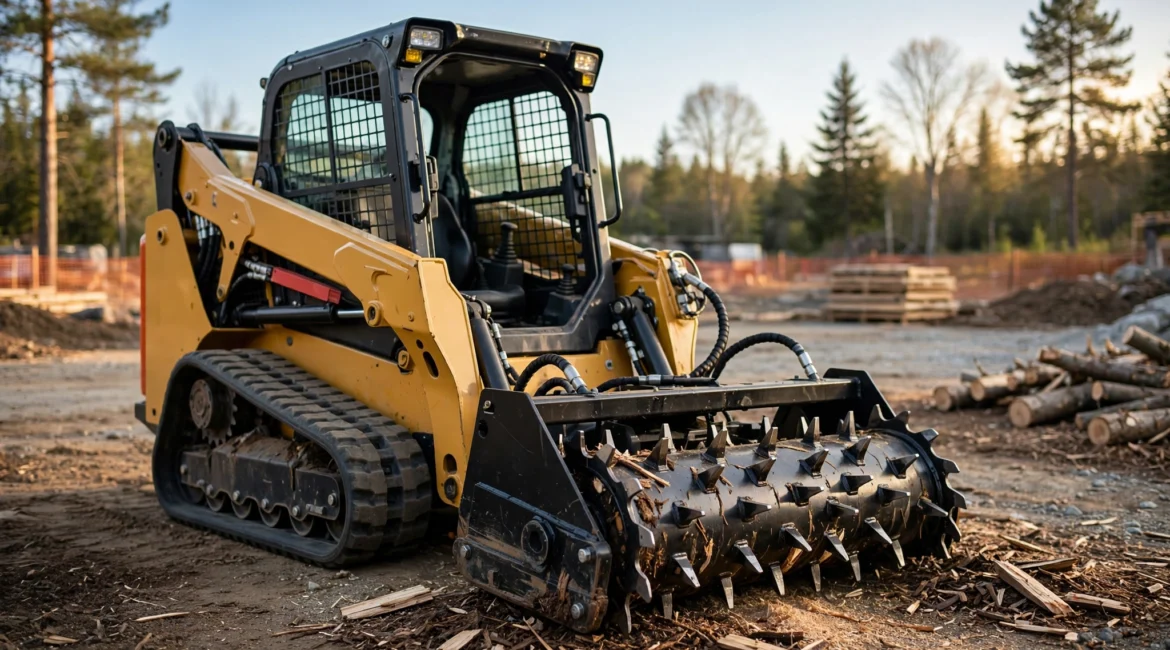
A mini skid steer mulcher is a valuable tool. It clears brush. It mulches trees. It prepares land for construction or farming. The machine works hard. Problems happen. Most problems have simple fixes.
This guide covers 5 common mini skid steer mulcher problems. Each problem has a fix. Each fix takes less than 30 minutes. Maintenance costs stay low. Downtime stays short. The mini skid steer mulcher keeps working.
A mini skid steer mulcher attaches directly to the loader’s arms. Hydraulic power spins a rotor. The rotor has blades or hammers. Blades cut brush and trees. Hammers smash material into mulch.
The hydraulic motor turns the rotor on your mini skid steer mulcher. Rotor speed depends on hydraulic flow. More flow means faster speed. Faster speed means better cutting.
The mini skid steer mulcher has a housing. The housing contains the rotor. The housing protects the operator and directs the mulch output. Before attempting any major repairs or upgrades, make sure you know what else your machine can handle by looking at other mini skid steer attachments.
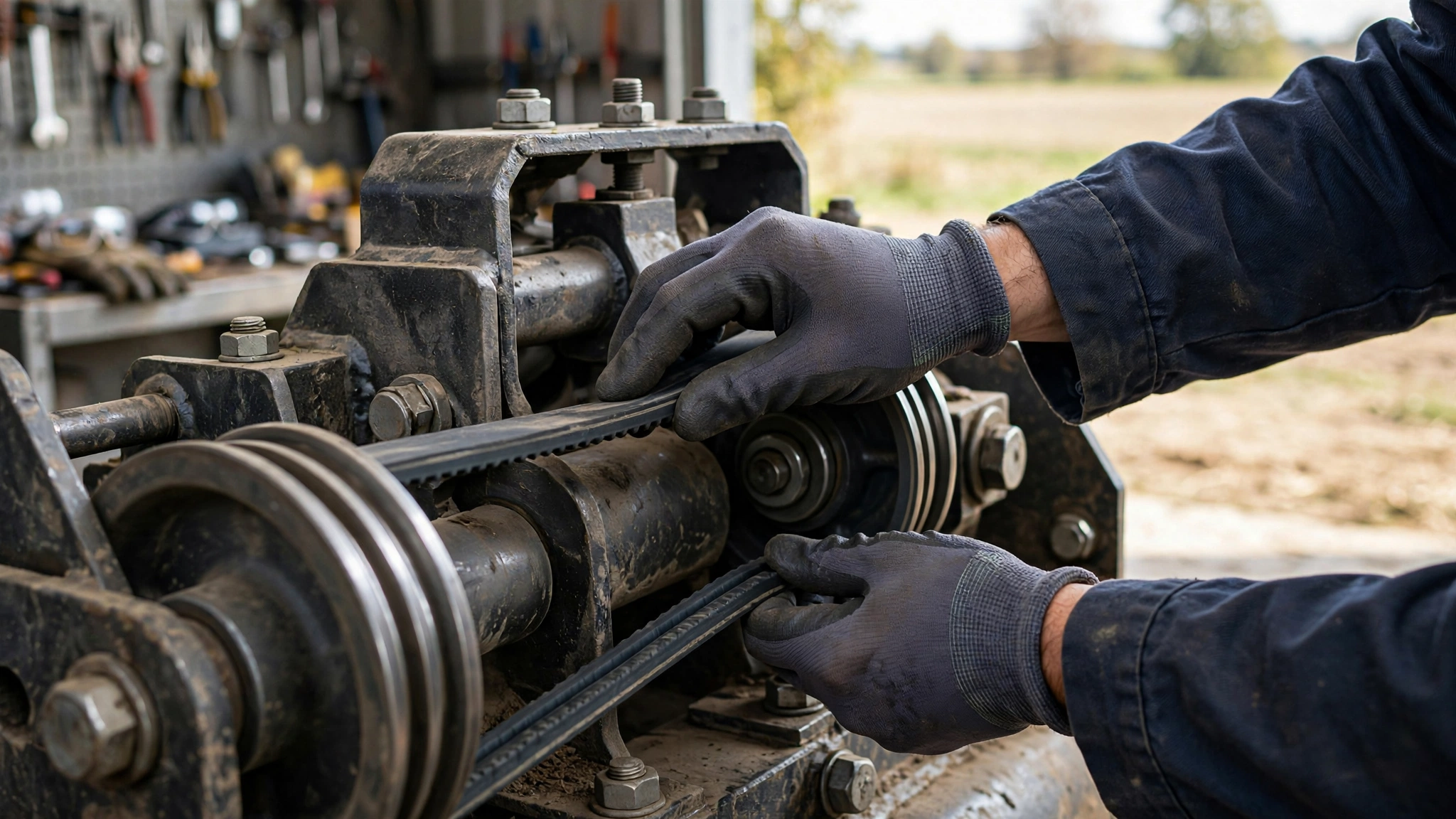
Additionally, the mini skid steer mulcher has a belt drive. The belt connects the hydraulic motor to the rotor. The belt transfers power. The belt wears over time.
The mini skid steer mulcher starts. It lowers to the brush. The blades spin. But they do not cut. The brush bends instead of breaking. The mini skid steer mulcher pushes material around.
This is the most common mini skid steer mulcher problem. Dull blades are the cause. Blades lose their edge over time. Rock contact dulls blades faster. Dirt and sand wear the cutting edge.
The fix is simple. Sharpen or replace the blades. Stop the machine first. Engage the parking brake. Turn off the engine.
- Remove the blade access panel located on the side or bottom of the housing.
- Inspect each blade for rounded edges and chips. A sharp blade has a clean straight edge.
- Remove the blades for sharpening using a wrench.
- Sharpen each blade with an angle grinder using a flap disc. Do not overheat the blade; overheating weakens the steel.
- Put the blades back on and torque the bolts to the manufacturer specification.
- Replace blades that are worn below the minimum thickness.
Sharp blades cut brush cleanly and reduce strain on the hydraulic system, ultimately reducing fuel consumption.
A squealing noise comes from the mini skid steer mulcher. The rotor slows down. The mini skid steer mulcher loses power. The belt is slipping.
The belt transfers power from the hydraulic motor to the rotor. A loose belt slips. A worn belt breaks. A damaged belt fails suddenly. The fix is to inspect and adjust or replace the belt.
- Stop the machine, engage the parking brake, and turn off the engine.
- Remove the belt guard covering the belt and pulleys.
- Inspect the belt for cracks, fraying, and glazing (shiny surfaces slip easily).
- Check belt tension by pressing down at the midpoint. It should deflect 0.5 to 0.75 inches.
- Adjust the tension bolt to move the motor or idler pulley until deflection is correct.
Belt replacement is a 20-minute job. A new belt costs $30 to $60. A broken belt on the job site costs hours of downtime. Belts should be inspected every 40 hours and replaced every 500 hours.
The mini skid steer mulcher shakes. The whole machine vibrates. The vibration is uncomfortable, and it quickly damages components.
Vibration comes from imbalance. An unbalanced rotor shakes. Unbalanced blades, missing blades, or debris stuck in the rotor cause intense vibration. The fix is to check the rotor and blades carefully.
Blade Check
Look for missing or broken blades. Weigh each blade on a scale; all blades should weigh the same. Replace significantly lighter ones.
Rotor Check
Remove brush and vines wrapped around the shaft. Spin the rotor by hand to check for worn, grinding bearings.
Check the housing for loose bolts and cracked welds. Vibration damages the hydraulic motor. A vibrating mini skid steer mulcher should not be operated under any circumstances.
The hydraulic motor gets hot. The motor housing burns to the touch. The mini skid steer mulcher loses power. The hydraulic fluid is overheating.
Overheating comes from restricted flow or low flow. The motor needs hydraulic fluid to cool itself. Low flow means less cooling, and restricted flow means more heat.
- Check hydraulic fluid level and top it off with the correct fluid type.
- Replace the hydraulic filter if it is clogged.
- Clean the cooler fins by removing debris and dirt.
- Straighten kinked hoses and replace damaged ones.
Verify your machine delivers enough flow. Low flow machines overheat a mini skid steer mulcher very quickly. Overheating damages the hydraulic motor and fluid. Stop work immediately until the system cools and the cause is found.
The auxiliary hydraulic circuit is engaged. The mini skid steer mulcher does not spin. Nothing happens. The motor does not turn.
The problem is electrical or hydraulic. An electrical issue stops the circuit from engaging, while a hydraulic issue stops the flow from reaching the motor. A mini skid steer mulcher that does not engage stops work entirely.
- Ensure the hydraulic couplers are fully connected. A partially connected coupler stops flow.
- Use a pressure gauge to check auxiliary pressure (should be 2,500 to 3,000 PSI).
- Check the electrical solenoid and wiring connections if applicable.
- Spin the motor shaft by hand. A seized motor or seized rotor needs immediate replacement or debris removal.
Regular maintenance prevents these 5 mini skid steer mulcher problems. Follow this schedule:
- Every 8 hours: Check blades for sharpness, belt tension, and clear debris from the rotor.
- Every 40 hours: Grease all fittings (2 to 3 pumps) and check hydraulic hoses for wear.
- Every 100 hours: Replace worn blades, cracked belts, and check rotor bearings for play.
- Every 500 hours: Replace the belt, hydraulic fluid, and filter. Inspect the motor for wear.
Operating a mini skid steer mulcher can be dangerous. Always wear protective equipment including a hard hat, safety glasses, steel-toe boots, and hearing protection. Maintain a 50-foot exclusion zone as flying wood chips hurt people. Remove rocks and metal hazards before starting, and never mulch above head height to prevent debris from falling onto the cab.
Certain issues like rebuilding a hydraulic motor, replacing the main pump, or dynamically balancing a rotor require a professional mechanic. Ignoring small issues leads to big financial losses.
| Problem Ignored | Resulting Damage | Estimated Loss / Repair Cost |
|---|---|---|
| Dull Blades | 20% productivity loss | $600 lost per week |
| Slipping Belt | Worn motor shaft | $500 repair |
| Vibration | Destroyed rotor | $2,000 replacement |
| Overheating | Damaged motor & fluid | $1,400 repair |
| Non-engaging unit | Lost workday | $600 lost revenue |
A non-engaging mini skid steer mulcher stops work entirely. The total potential loss from ignoring these problems is $5,300. A 30-minute inspection each day prevents this massive loss.
A mini skid steer mulcher is a highly productive tool. It clears brush, mulches trees, and prepares land effectively. By sharpening blades, adjusting belts, balancing the rotor, checking cooling, and ensuring proper engagement, you prevent the most common breakdowns.
Small fixes save big money. A 30-minute daily inspection prevents $5,300 in repairs. Keep up with your maintenance, and the mini skid steer mulcher keeps running. Profit stays intact.
Need a machine with the robust auxiliary hydraulic power to run a heavy-duty mulcher without overheating?
View the Brand New Typhon STOMP V900 Mini Track Loader →