The Ultimate Buyer’s Guide: What to Check Before Buying a Used Mini Skid Steer
Table of Contents
- Why You Need an Inspection Checklist
- Engine Inspection
- Hydraulic System
- Undercarriage and Tracks
- Operating Hours
- Quick Attach Plate & Pins
- Tires or Tracks Wear Patterns
- Controls and Electronics
- Structural Inspection
- Cooling System
- Battery and Electrical
- Test Drive Procedure
- Paperwork and Ownership
- Negotiation Points
- Where to Buy
- Red Flags & Deal Breakers
- Summary Checklist
Buying a used mini skid steer saves you money. A new machine costs $25,000 to $50,000. A used mini skid steer costs $8,000 to $20,000. But a bad purchase costs you more in repairs and downtime. This guide walks you through every check point. You will learn exactly what to inspect before handing over your money.
Why You Need a Used Mini Skid Steer Inspection Checklist
A used mini skid steer is a big investment. Many buyers rush and regret later. They focus on paint and tires. They ignore the engine and hydraulics. A structured checklist protects your money. It helps you spot problems early. It gives you negotiation power. Follow this guide step by step.
When evaluating a used mini skid steer, the engine drives everything. A weak engine means no work. Start with a cold engine. Do not let the seller warm it up first. A cold start reveals real issues.
- Check for smoke: Blue smoke means burning oil. Black smoke means too much fuel. White smoke means coolant leak. Any smoke other than light gray at startup is a problem.
- Listen for knocking sounds: A healthy diesel engine has a steady rhythm. Knocking or tapping means worn bearings or injectors. Walk away from knocking engines.
- Look for leaks: Check under the machine for oil spots. Inspect the valve cover and oil pan. Even a small leak gets worse over time.
Check the oil dipstick. Oil should be dark but not thick. Milky oil means coolant mixed in. That indicates a blown head gasket. Metal flakes on the dipstick mean internal damage.
Run the engine for 10 minutes. Watch the temperature gauge. Overheating means a clogged radiator or bad water pump. Both are expensive fixes. For the used mini skid steer you are considering, ask for service records. Regular oil changes every 250 hours are standard. No records means no proof of care.
Hydraulics do the real work on any used mini skid steer. Lift, tilt, and attachment functions all rely on hydraulic pressure. A failed hydraulic system costs $3,000 to $8,000 to repair.
- Fluid Level: Low fluid means a leak somewhere. Look for wet spots on hoses and fittings. Run your hand along each hose. Feel for soft spots or bulges.
- Test Functions: Lift the arms all the way up. Lower them slowly. Tilt the attachment forward and back. Each movement should be smooth. Jerky movements mean air in the system or a failing pump.
- Listen for Whining: A little whine is normal. Loud whining means the pump is starving for fluid or failing. Walk away from loud whining.
- Auxiliary Hydraulics: These power attachments like augers and grapples. Connect a test attachment if possible. Run it for several minutes. Inconsistent flow means a bad auxiliary valve.
- Cylinders: Inspect all hydraulic cylinders. Look for chrome rod scratches. Scratches tear seals and cause leaks. Also check for bent rods. A bent rod means the machine was abused.
The undercarriage of a used mini skid steer takes constant abuse. Tracks and wheels cost $1,500 to $3,000 to replace. Inspect this area carefully.
- Track Tension: For track-based models, check track tension. Loose tracks jump off the sprockets. Tight tracks wear out bearings faster. There should be about one inch of sag between the track and the roller.
- Track Damage: Cut lugs, missing rubber, or exposed cords mean replacement soon. Walk around and inspect each track section.
- Sprockets: Worn sprocket teeth look sharp or hooked. Sharp teeth skip on the track. That damages both parts faster.
- Bottom Rollers: Spin each roller by hand. A frozen roller wears a flat spot on the track. Grinding sounds mean bad bearings inside the roller.
- Wheel Machines: Check tire tread depth. Uneven wear means alignment or bearing issues. Check each tire for cuts and dry rot.
Operating hours tell you the true age of the used mini skid steer. But sellers reset or replace hour meters. Use hours as a guide, not the only factor.
A used mini skid steer with 1,000 to 2,000 hours is low usage. This range is ideal for buyers. Machines with 3,000 to 5,000 hours need major service soon. Above 5,000 hours, expect engine or hydraulic rebuilds.
Look for hour meter tampering. A new meter on an old machine is suspicious. Check wear on pedals and controls. Heavy wear with low hours means the meter was replaced. Ask about idle time. Machines that idle for hours wear less. Machines that work hard at full throttle wear more. Two machines with 2,000 hours have very different actual wear.
The attachment plate connects everything to your used mini skid steer. A worn plate means attachments fit loose. Loose attachments damage the machine and the tool.
- Check the quick attach plate for wear. Look for rounded edges and wallowed out pin holes. Shake the plate up and down. Excessive movement means worn pins or bushings.
- Inspect the wedge locks. They should engage fully and release smoothly. Sticky wedges mean dirt or damage inside.
- Check the pin locations on the lift arms. Worn pins cause sloppy attachment control. Replacing pins and bushings costs $500 to $1,500.
Wear patterns tell you how the used mini skid steer was previously used. Even wear means proper use. Uneven wear means problems.
- Center wear on tires means overinflation. Edge wear means underinflation. One tire worn more than others means different pressures or bent components.
- For tracks, check the drive lugs inside the track. Worn lugs slip on the sprocket. That reduces pushing power.
- Check for missing track clips. Clips hold the track together. Missing clips lead to track separation.
Modern used mini skid steer models have electronic controls. Pilot controls, joysticks, and display panels all fail over time. Replacement parts are expensive.
Test every switch and button. Operate lights, beacons, and backup alarms. Do not assume they work just because they are there. Check the display panel for warning lights. Run the machine until warm. Any active warning light needs investigation. Test the safety interlocks. The machine should not start without the operator in seat. Lift arm lock should engage when you leave the seat. Failed interlocks are a safety hazard.
The frame and lift arms of the used mini skid steer must be straight. A bent frame affects stability and control.
- Look for weld cracks. Check around the attachment plate, lift arm pivots, and axle mounts. Small cracks grow into big cracks.
- Inspect for bent lift arms. Park the machine on level ground. Raise the arms halfway. Look from the front. Both arms should be parallel. One arm higher means a bend.
- Check for rust. Surface rust is fine. Holes or flaking metal mean structural weakness. Pay attention to battery trays and underfloor areas.
Overheating kills engines fast. A clean cooling system keeps your used mini skid steer alive.
Open the radiator cap on a cold engine. Look for rusty coolant or oily film. Rust means poor maintenance. Oil means internal leak. Check the radiator fins. They should be straight and clean. Blocked fins cause overheating. Debris between fins means poor cleaning habits. Inspect the coolant hoses. Squeeze each hose. Hard or cracked hoses need replacement. Soft or bulging hoses are about to burst.
Electrical problems are hard to diagnose. Start with simple electrical checks before you buy the used mini skid steer.
Check the battery age. Most batteries have a date sticker. A battery older than three years needs replacement soon. Look for corroded terminals. White or blue powder means poor connections. Clean terminals are a sign of care. Check all lights. Headlights, tail lights, and work lights should function. Electrical gremlins are time consuming to fix.
Do not skip the test drive when checking a used mini skid steer. Theory means nothing. Real operation reveals problems.
- Drive the machine for 20 minutes minimum. Operate on slopes, rough ground, and pavement. Listen for changes in sound.
- Test forward and reverse. The machine should track straight. Pulling to one side means motor or drive chain issues.
- Turn in both directions. Tight turns stress the drive system. Grinding or clicking sounds mean problems.
- Lift a heavy load. Find a pile of dirt or pallet of blocks. Lift to full height. The engine should not bog down. The hydraulics should not struggle.
- Hold a load at mid height for one minute. Watch for drift. The arms should not drop more than one inch per minute. Faster drift means leaking cylinder seals.
Paperwork protects your used mini skid steer purchase. Without it, you own a stolen machine or a machine with a loan.
Ask for proof of ownership. A bill of sale is not enough. Check for a title or certificate of origin. Some states require these. Run a VIN check. The machine identification number tells you history. Some online services check for theft or liens. Ask why the owner is selling. Honest sellers give clear answers. “Upgrading to a larger machine” is good. “Just want it gone” is a red flag. Verify the serial number matches the paperwork. Stolen machines often have ground off or altered VIN plates.
Every problem lowers the price. Use your inspection findings to negotiate. Get repair quotes before negotiating. Call a local dealer for estimated costs. Use those numbers in your negotiation.
| Problem Severity | Example Issue | Price Reduction to Ask |
|---|---|---|
| Minor Issues | Worn tires or old battery | $500 – $1,000 off |
| Medium Issues | Leaking seals or weak hydraulics | $2,000 – $4,000 off |
| Major Issues | Engine smoke or bad pumps | $5,000 – $8,000 off (or walk away) |
Different sellers offer different risks and prices.
- Private sellers: Offer the lowest prices. But you get no warranty. You assume all risk. Use this guide thoroughly with private sales.
- Used equipment dealers: Cost more but offer some protection. Many give 30 to 90 day warranties. Some have service departments. This is the best balance for most buyers.
- Auctions: High risk. You cannot test drive before bidding. You buy as is. Only experienced buyers should use auctions.
- Rental companies: Sell their old fleet. These machines have high hours but regular maintenance. Rental history is usually documented. This is a good source for simple, durable machines.
Some problems are not worth fixing. Recognize these deal breakers.
- Blown head gasket: Coolant in oil or white smoke from exhaust. Repair costs $2,000 to $4,000.
- Bad hydraulic pump: Loud whining and slow operation. New pump costs $3,000 plus labor.
- Bent frame or lift arms: Structural repairs are rarely perfect. The machine will never operate right.
- No paperwork or missing VIN: The machine is likely stolen. You could lose both money and machine.
- Seller refuses test drive: This is the biggest red flag. Walk away immediately.
Print this checklist. Take it with you when you inspect a used mini skid steer.
✔ Cold engine start
✔ Smoke check
✔ Knocking sounds
✔ Oil dipstick inspection
✔ Fluid leaks
✔ Hydraulic function test
✔ Track or tire inspection
✔ Hours verification
✔ Attach plate wear
✔ Electronics test
✔ Frame inspection
✔ 20 min test drive
✔ Lift and hold test
✔ Paperwork verify
✔ VIN check
Take your time. Do not rush into a purchase. A good used mini skid steer stays available for weeks. A bad machine pressures you to buy fast.
Bring a mechanic friend if possible. A second set of eyes catches problems you miss. If you have no mechanic friend, pay a mobile mechanic $150 to inspect the machine. That small cost saves thousands in repairs. Start with machines in the 1,000 to 2,000 hour range. Pay $12,000 to $18,000 for a quality unit. Avoid anything over 5,000 hours unless you have repair skills.
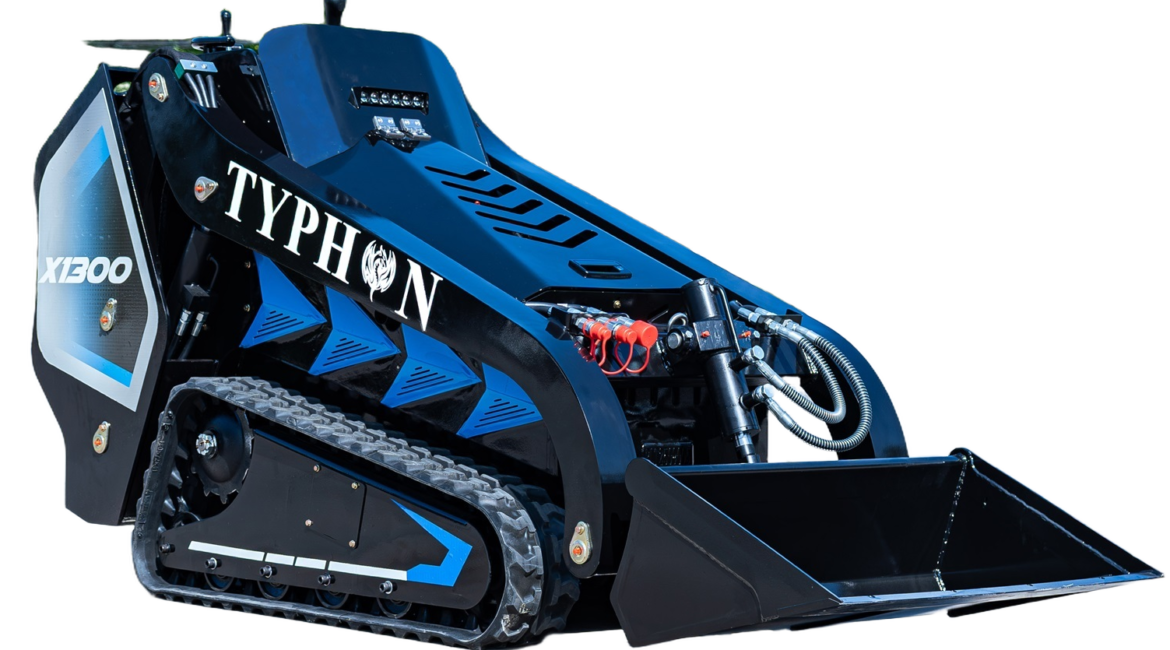
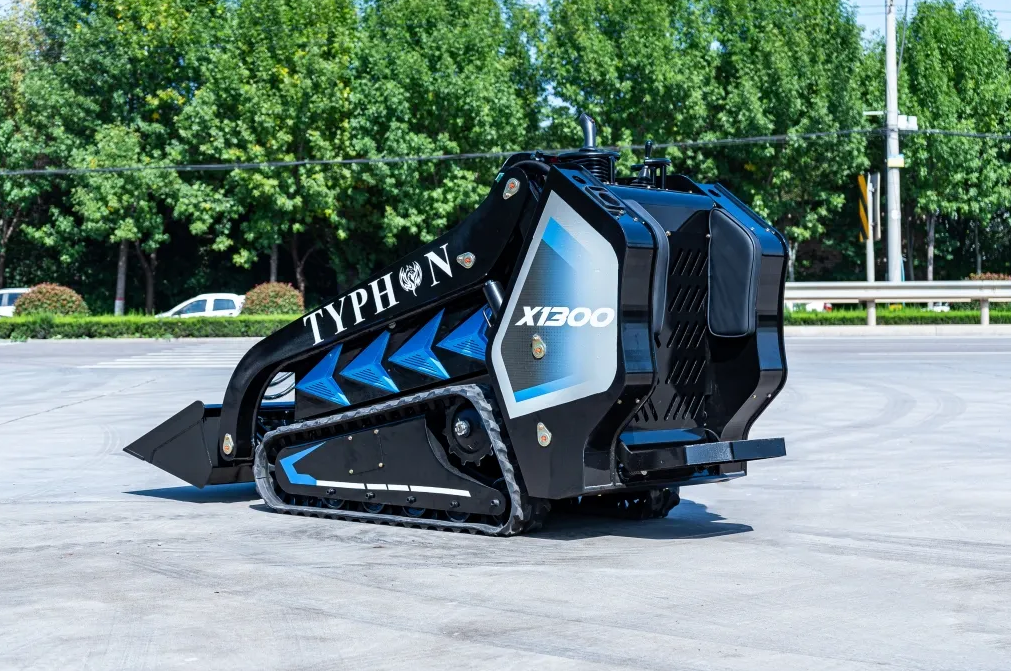
If you find that a used mini skid steer is too risky, you might want to look at new options. You can learn more about why you must buy the Typhon Stomp X1300 for reliable, warrantied performance. To see current pricing on a fresh machine, check out the brand new Typhon Stomp X1300 25HP Kubota Diesel loader directly.
A properly inspected used mini skid steer serves you for years. It completes jobs faster than manual labor. It fits through standard gates. It handles attachments that expand your services. Your careful inspection today pays back in reliable work tomorrow.
View Brand New Machine Options →