Mini Skid Steer Loader: What You Must Know Before Your Next Job
Table of Contents
You are spending time and money on jobs where a mini skid steer loader would get the work done in a fraction of the effort. Here is what you need to know before your next task.
Picture your last landscaping job or construction site. Someone was hauling material by hand, digging with a shovel, or waiting for a rented machine to show up. Every hour of hand labor cuts directly into your profit.
A compact loader fixes that. It operates in narrow spaces, accepts attachments that replace whole crews, and fits on a standard trailer. Owning one changes how you bid jobs and how fast you finish them.
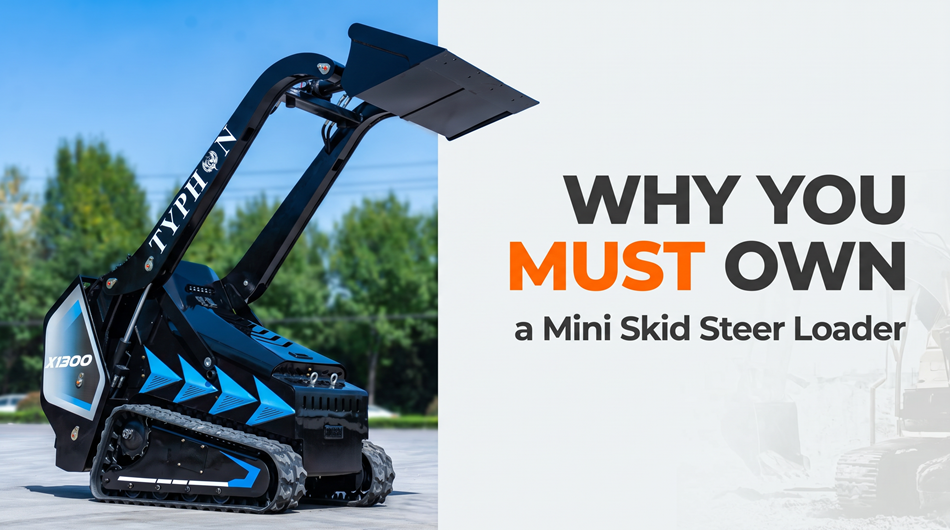
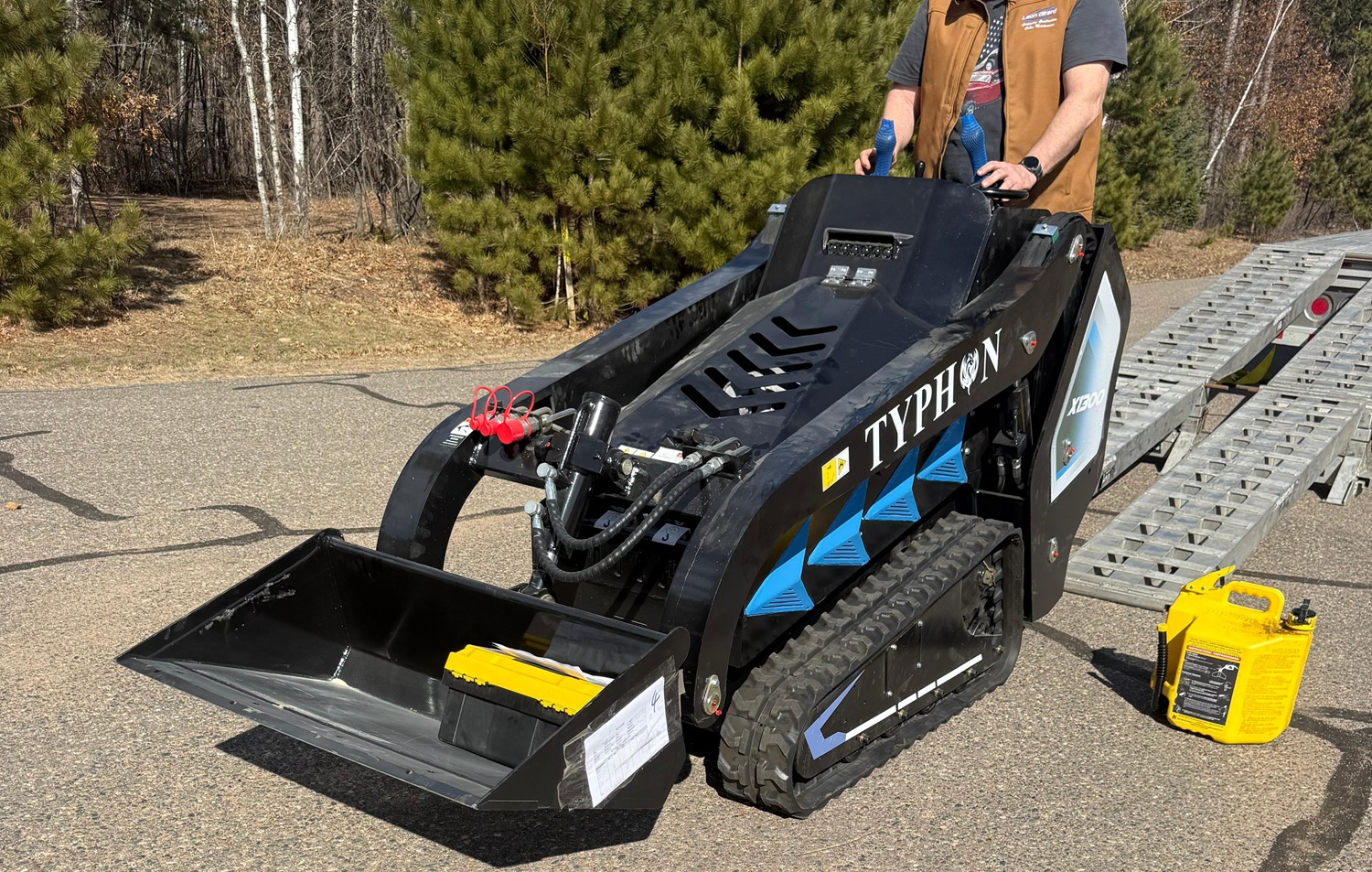
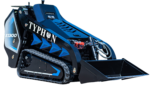
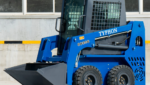
A mini skid steer loader is a compact, powerful machine with lift arms at the front. You connect tools to those arms to drill, haul, grade, or dig. Most models weigh between 1,500 and 4,000 pounds.
You can choose between rubber tracks or wheels depending on your terrain. Tracks perform better on soft or wet ground. Wheels are faster on hard surfaces and pavement. Controls vary by brand — some use joysticks, others use hand-and-foot combos, and a few newer models are fully remote-operated.
The key difference from a full-size machine: size. A mini skid steer fits through a 36-inch gate. A full-size machine does not. That single fact opens up an entire category of residential jobs your competitors cannot reach.
It Cuts Your Labor Costs Directly
One mini skid steer replaces two to three laborers on most site tasks. Moving soil, clearing brush, loading debris — work that takes a crew three hours takes one operator 40 minutes. You pay less per job and finish more jobs per week.
It Works Where Bigger Machines Fail
Narrow side yards. Fenced backyards. Indoor demo spaces. These are places where a full-size machine is useless. A compact loader fits through tight access points and still delivers real operating power on the other side. That opens up residential contracts that competitors without compact equipment simply cannot take on.
It Travels to Every Job You Run
You do not need special permits or a heavy trailer. Most mini skid steers load onto a standard 14-foot equipment trailer behind a pickup. You move it between sites in hours without any logistical friction.
It Works Across Multiple Trades
Landscaping, construction, agriculture, property maintenance. A compact loader moves across all of them. That versatility is what makes it one of the most cost-effective pieces of equipment you can own.
The base machine moves material. The attachments are where your return on investment grows. Each one lets you deliver a service you would otherwise outsource or turn down.
- Auger — Drills accurate holes for fence posts, tree planting, or concrete bases. Clean and fast.
- Grapple bucket — Grabs and moves brush, logs, and irregular debris without hand-loading. Saves hours on cleanup jobs.
- Trencher — Digs utility trenches in a fraction of the time manual digging takes. Add irrigation and drainage work to your service list.
- Hydraulic breaker — Breaks up concrete, asphalt, or hard surfaces without renting a separate jackhammer rig.
- Stump grinder — A service most landscapers send out to a subcontractor. Keep that income in-house.
Every attachment you add is a service you no longer turn down. One mini skid steer. Multiple income streams.
▶ Mini Skid Steer In Action
Landscaping
Hauling topsoil, laying mulch, grading for drainage, and moving large trees all go faster with a compact loader. You take on bigger residential jobs without renting machinery for each one. Jobs you finish faster with a skid steer — landscaping is always at the top of that list. The ROI shows up fast.
Light Construction and Demolition
Interior gut-outs, material hauling, and foundation prep are all standard uses. Contractors use compact loaders to move debris out of buildings without running a full cleanup crew.
Farming and Rural Property Work
Grooming stalls, carrying hay bales, drilling drainage ditches, and clearing fence lines. A mini skid steer earns its place on any small farm within the first season of use.
Property Maintenance
Snow removal, gravel spreading, yard cleanup, and brush clearing across multiple sites. Property managers who own a compact loader reduce their per-site labor time significantly across a full maintenance schedule.
Renting a mini skid steer costs between $300 and $500 per day at most equipment companies. If you rent 30 days in a season, you pay up to $15,000 and own nothing at the end of it.
| Renting | Owning | |
|---|---|---|
| Daily cost | $300 – $500 | Fixed payment |
| 30-day season cost | Up to $15,000 | Asset you keep |
| Availability | When they have one | Always ready |
| Resale value | None | Recoverable |
A good quality used compact loader starts around $5,000 to $20,000. New models range from $10,000 to $30,000 depending on size and hydraulics. The machine generates income from day one. Used machines from major brands hold their value well — maintain yours properly and you recover a solid portion of the purchase price when you upgrade.
Not every operator needs one. But if you fall into any of these categories, ownership makes financial sense.
🔨 Contractors
Residential or light commercial work with regular material handling and site prep. A compact loader cuts your crew time on every job.
🌿 Landscapers
Grading, planting, and cleanup jobs where manual labor is the bottleneck. One machine replaces two to three workers on most tasks.
📈 Small Business Owners
Looking to cut labor costs and add services without hiring more staff. A mini skid steer is one of the fastest ways to do both.
🏠 Property Managers & Farmers
Sites with ongoing maintenance needs. Snow removal, gravel, brush clearing — one machine handles it all year round.
If you are currently renting equipment regularly to do any of this work, the math already points toward ownership.
A mini skid steer loader is not an impulse buy. It is a working machine for people who move material, grade sites, and manage land regularly. The benefits are real — but they show up only when the machine fits your actual workflow.
Run your rental costs from the last 12 months. Add up the labor hours spent on tasks a compact loader handles in minutes. Look at the attachments relevant to your trade. The picture becomes clear fast.
Your 3-Step Buying Checklist
- Buy the right size for your most common job sites
- Invest in two or three attachments from day one
- Maintain the machine well — resale value depends on it
You will look back on the purchase as one of the better decisions you made for your operation.
🔗 Watch: Mini Skid Steer Full Review
Watch Full Review on YouTube →Ready to stop renting and start owning? See how a mini skid steer transforms your jobs — faster finishes, lower labor costs, more contracts won.
Read: Jobs You Finish Faster With a Skid Steer →

[…] mini skid steer loader fixes a lot of that. It’s SMALL, it’s versatile, and with the correct attachments, it […]
[…] mini skid steer loader solves all three problems. This article walks you through exactly how to use compact equipment to […]