ashcat > /mnt/user-data/outputs/scale-business-skid-steer-loader.html << ‘HTMLEOF’
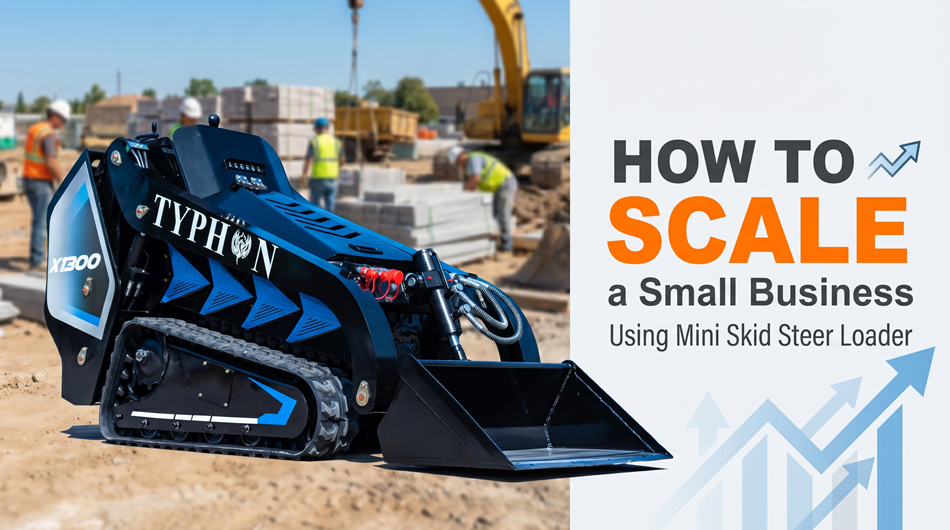
How to Scale Your Small Business with a Mini Skid Steer Loader
Table of Contents
- Why a Compact Skid Steer Loader Matters for Small Business Growth
- Step 1 — Calculate Your Current Labor Waste
- Step 2 — Buy the Right Machine for Your Jobs
- Step 3 — Build Your Attachment Library
- Step 4 — Restructure Your Crew Around the Machine
- Step 5 — Use the Machine to Win Better Contracts
- Step 6 — Track Your ROI Every Quarter
- The Long Game for Your Business
You formed your company to grow it. But growth stopped when your workforce spends half the day on manual labor, when you turn down tasks because you lack the proper machinery, or when rental costs eat into your profits every month.
A mini skid steer loader solves all three problems. This article walks you through exactly how to use compact equipment to scale your small business, take on more work, and build a stronger operation.
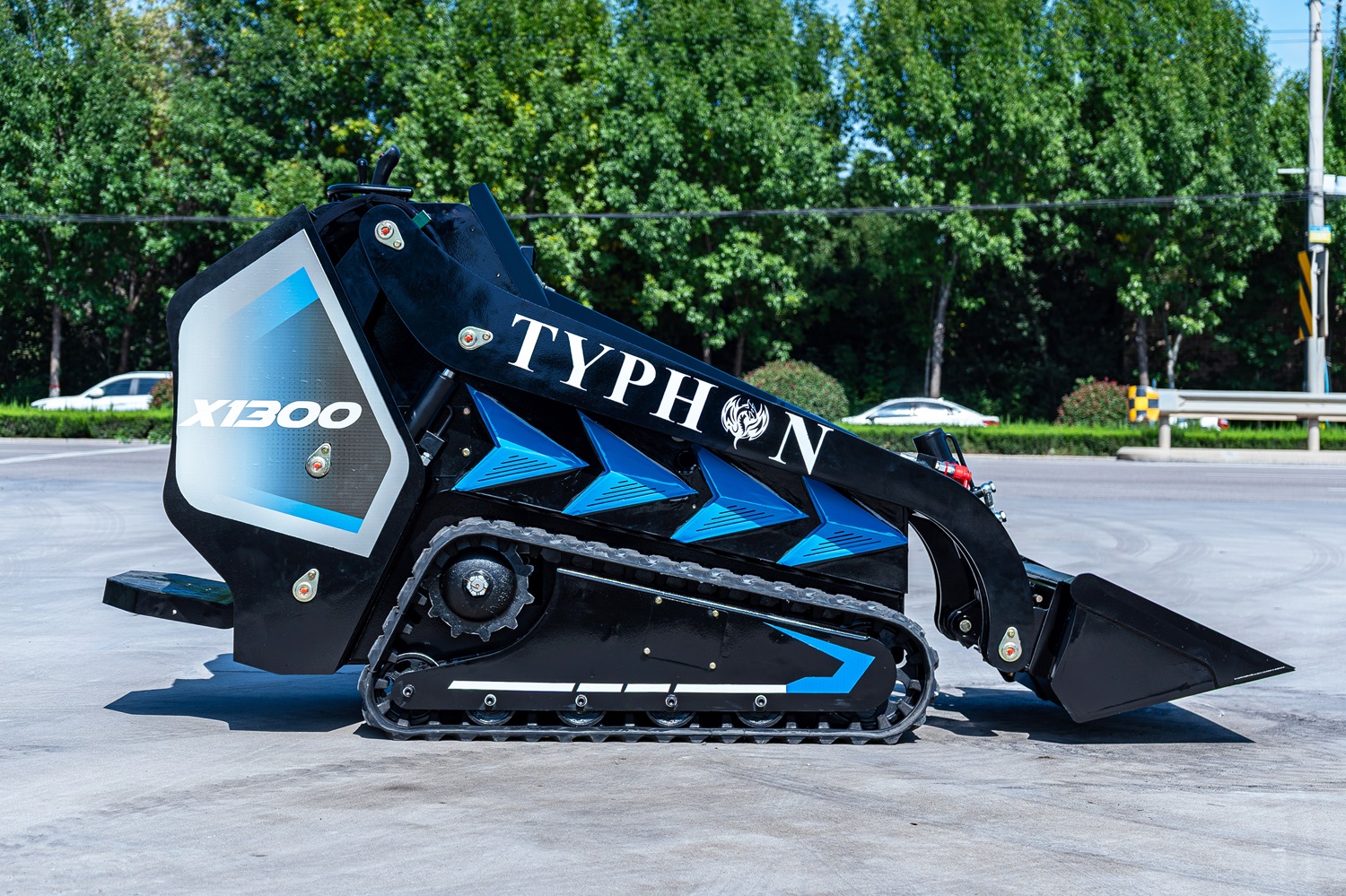
Small companies in construction, landscaping, and property maintenance share the same concern. Labor is costly. Manual labor is sluggish. And renting machinery adds up fast.
The U.S. Bureau of Labor Statistics documents that labor costs account for 70% of total business costs in service enterprises. Every hour your team spends moving material manually, digging trenches, or clearing debris by shovel is an hour of lost productivity.
A mini skid steer loader changes that ratio. One machine with one operator handles work that would otherwise require two or three laborers. You complete jobs faster. You take on more jobs per week. Your revenue grows without a matching increase in payroll.
That is the core of the scaling argument: more output, same team size.
Before you buy or rent a compact skid steer loader, run the numbers on what manual labor is actually costing you.
Ask Yourself These Questions
- How many hours per week does your crew spend on tasks a machine handles in minutes?
- What is your average hourly labor cost including taxes and insurance?
- How many jobs per month do you turn down because you lack equipment?
- How much do you spend on rentals over a year?
If you rent a mini skid steer loader at $400 per day and use it 25 days per year, you spend $10,000 annually and own nothing. A used compact machine in good condition starts around $5,000 to $10,000. The math points to ownership fast.
Write down your numbers before moving forward. You need a clear baseline to measure growth against.
Not all compact machines are the same. Buying the wrong size or spec slows you down instead of speeding you up. Focus on these three factors before you purchase.
Job Site Access
Most residential jobs require access through a standard gate. Measure your typical access points. A machine wider than 36 inches will not fit through many backyard entrances. A compact skid steer loader is built for exactly this constraint.
Hydraulic Flow Rating
Your attachment options depend on your machine’s hydraulic flow. Low-flow machines handle basic buckets and augers. High-flow machines run mulchers, cold planers, and hydraulic breakers. Buy for the attachments you plan to use in the next two years, not just today.
Track vs Wheel
Rubber track machines perform better on soft ground, slopes, and landscaping sites. Wheeled machines move faster on hard surfaces and pavement. Match your choice to where you work most. Buy from a dealer who offers service support — downtime costs more than any repair bill.
The machine is the foundation. The attachments are what let you scale your service offerings and revenue. Each attachment adds a billable service to your business.
📚 Start With Essentials
- Standard bucket — soil, gravel, mulch
- Auger — post holes, tree planting, footings
- Grapple — brush, debris, log removal
📈 Add As You Grow
- Trencher — irrigation and drainage
- Box blade — grading and driveway prep
- Stump grinder — keep removal in-house
- Hydraulic breaker — concrete and hardpan
Each attachment you add is a service your competitors may not offer. A landscaping company with a trencher takes irrigation contracts. A contractor with a hydraulic breaker skips the subcontractor on demo days. Price each service to reflect the equipment investment — clients pay for speed and professionalism.
A mini skid steer loader works best when your crew operates around it, not alongside it doing the same task by hand. One operator runs the machine. The rest of the crew handles layout, finishing, planting, or cleanup. Nobody duplicates work. Everyone moves the job forward at the same time.
A landscaping crew of four doing manual grading completes one site per day. The same crew with a compact machine completes two. Train your best operator thoroughly — efficiency depends on the person running it. A skilled operator plans each pass, minimizes repositioning, and works in a pattern that cuts total machine hours per job.
Owning compact equipment changes what you bid on. You stop avoiding jobs with access challenges. You stop subcontracting work you can now do yourself. You stop losing bids to competitors who own the equipment you rent.
- Residential backyard landscaping with gate access
- Grading and drainage on tight urban lots
- Full-service landscape installs including plant removal and soil prep
- Property cleanup contracts for real estate agencies and developers
Market your equipment directly. Put photos of your skid steer loader on your website and social media. Clients searching for landscapers or contractors often choose businesses that visibly own their equipment. It signals professionalism and reliability.
Scaling with equipment only works if you measure results. Set a simple tracking system from day one.
| Metric to Track | Why It Matters |
|---|---|
| Jobs completed per week | Before vs after the machine — shows direct output gain |
| Revenue per crew per day | Measures if the machine increases daily earning power |
| Labor hours saved | Tracks efficiency gains on recurring task types |
| Rental costs eliminated | Direct savings that go back to your bottom line |
| New service revenue | Income from attachment-based services you now offer |
Most small businesses that add a compact skid steer loader see the machine pay for itself within 12 to 24 months through labor savings and new revenue alone.
Scaling a small business takes time. The businesses that grow consistently are the ones that reduce waste, increase output, and expand their service range without adding proportional cost.
A mini skid steer loader does all three. It cuts labor waste. It increases daily output. It expands what you offer clients without hiring more staff.
- Start with the right machine size
- Add attachments as your services grow
- Train your operator well
- Track your numbers quarterly
- Bid on jobs your machine makes competitive
Your business grows when your equipment works as hard as your crew.
🔗 Watch Full Video
Watch on YouTube →Stop turning down jobs. Stop paying for rentals you don’t own. A compact skid steer loader pays for itself, expands your services, and grows your business — starting from day one.
Learn Why You Must Own a Mini Skid Steer →
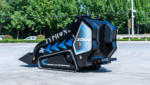
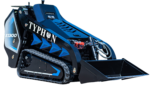
[…] ruts on finished lawns. It replaces two laborers on every job.A landscaping crew in Florida uses a mini skid steer for all residential work. One operator runs the machine. Two crew members plant and trim. The […]